rokok88 Masterclass: Navigating Modern Theatre Trends in 2026
The Evolution of Theatre: Understanding Modern Trends
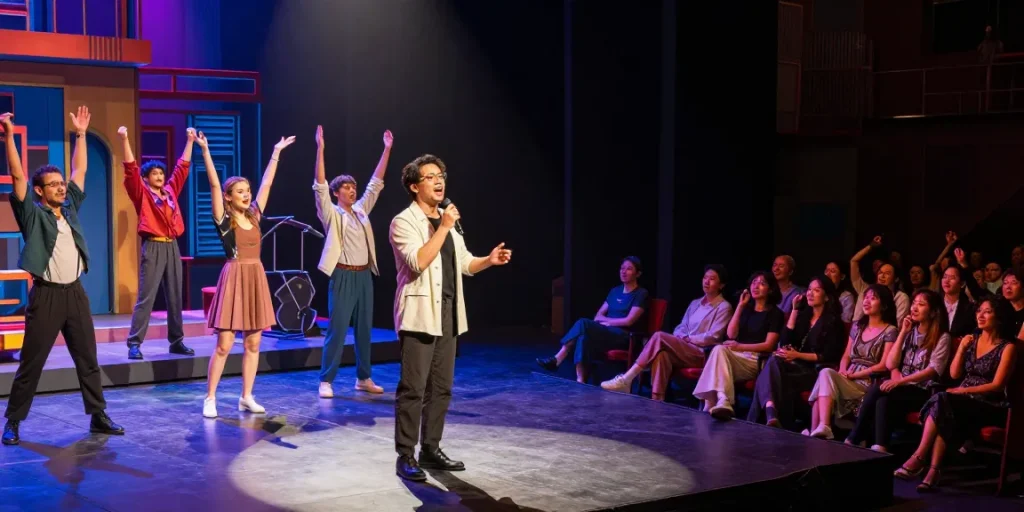
Theatre has undergone significant transformations over the years, adapting to societal changes, technological advancements, and shifting artistic paradigms. In today’s fast-paced world, modern theatre is not merely about performance; it intertwines with culture and technology, creating an engaging experience for audiences. The platform rokok88 highlights these trends, serving as a vital hub for those interested in contemporary theatre and entertainment.
What is Modern Theatre?
Modern theatre encompasses a variety of performance styles, from traditional dramatic plays to avant-garde productions that challenge conventional narratives. It often combines various art forms, including dance, music, and multimedia elements, to create immersive experiences. This evolution reflects not just a change in aesthetic preferences but also a response to the complex dynamics of contemporary society.
Key Influences on Contemporary Productions
The influences on modern theatre are diverse. Cultural movements, political activism, and technological advancements vastly shape performance art. The rise of social media, for example, has changed how artists interact with their audience and promote their work. Furthermore, the global exchange of ideas allows for cross-cultural collaborations that enrich the theatre landscape.
The Role of Technology in Theatre Evolution
Technology plays a crucial role in the evolution of theatre. With advancements in lighting, sound design, and digital media, productions can achieve levels of creativity that were previously unimaginable. Technologies such as virtual reality (VR) and augmented reality (AR) are also beginning to find their place within the theatre, allowing producers to create more engaging and interactive experiences for audiences.
Exploring Cultural Impact of ROKOK88
Theatre is a mirror reflecting societal values, struggles, and aspirations. As a platform dedicated to modern entertainment and culture, ROKOK88 offers insights into how theatre can serve as a catalyst for social change and cultural appreciation.
How Theatre Reflects Society
Theatre often reflects the zeitgeist, responding to current events and societal shifts. Productions that address issues like social justice, identity politics, and environmentalism encourage audiences to engage with pressing societal concerns. Moreover, by showcasing diverse voices and perspectives, theatre fosters inclusion and understanding among different cultures.
Notable Modern Productions and Their Themes
Some of the most compelling modern productions tackle themes that resonate deeply with contemporary audiences. For instance, “Hamilton” integrates hip-hop to tell the story of America’s founding while addressing issues of race and representation. Similarly, “The Vagina Monologues” has sparked dialogue around gender and sexuality, demonstrating theatre’s power to provoke thought and inspire action.
The Intersection of Theatre and Popular Culture
In recent years, the line between theatre and popular culture has blurred. Musicals inspired by movies, television shows, and even viral internet phenomena have become increasingly popular. This fusion not only attracts younger audiences but also helps theatre stay relevant in a rapidly changing cultural landscape.
Engaging Audiences in the Digital Age
As the world becomes more interconnected, engaging audiences through digital platforms has become essential. Modern theatre companies are leveraging technology to connect with audiences in innovative ways. This shift requires a rethinking of traditional marketing strategies to better capture the attention of potential viewers.
Strategies for Audience Engagement
Theatre companies can adopt various strategies to enhance audience engagement. Interactive social media campaigns, behind-the-scenes content, and online Q&A sessions create opportunities for audiences to interact with artists and each other. These initiatives foster a sense of community and investment in the production.
Utilizing Social Media to Promote Productions
Social media platforms are invaluable tools for promoting theatre productions. Companies can utilize these channels to share trailers, cast interviews, and rehearsal footage, building excitement leading up to opening night. Engaging content that resonates with audiences can lead to increased ticket sales and a loyal following.
The Importance of Feedback and Community Interaction
Feedback from audiences is a powerful tool for theatre companies. By listening to the community and adapting productions based on audience response, companies can enhance their offerings and ensure that performances remain relevant and impactful. Workshops and community engagement programs can further solidify this connection.
Behind the Scenes: The Process of Producing a Modern Show
Producing a modern theatre show involves meticulous planning, creativity, and collaboration. Understanding the multifaceted aspects of production provides valuable insights into what it takes to bring a script to life on stage.
Roles and Responsibilities in Production Teams
The production team consists of various roles, each crucial to the overall success of a show. Directors, producers, stage managers, and technical staff must work cohesively, often under tight deadlines and budget constraints. Clear communication and mutual respect among team members are essential for a productive and harmonious work environment.
Creative Collaboration: Writers, Directors, and Actors
Collaboration is at the heart of theatre production. Writers, directors, and actors must communicate effectively to realize a shared vision. Workshops and developmental readings are common practices that allow for exploration and refinement of scripts, ensuring that the final performance resonates with audiences.
Challenges in Modern Production: Budgeting and Logistics
Managing a production’s budget is one of the most significant challenges faced by theatre companies. From securing funding to managing resources, financial planning is critical for the success of a show. Additionally, logistical considerations such as venue selection, set design, and scheduling must be meticulously coordinated to avoid complications that could disrupt the production timeline.
Future Trends in Theatre: What’s Next for ROKOK88?
As we look to the future, the theatre industry is poised for continued evolution. Understanding emerging trends allows stakeholders to prepare for the ever-changing landscape of performance art.
Emerging Technologies Shaping Theatre
As technology advances, new opportunities for theatre will arise. Innovations such as AI-driven content generation and immersive experiences using VR are just a few examples of how theatre can evolve. By embracing these technologies, theatre companies can create unique experiences that captivate audiences.
New Narratives and Storytelling Techniques
The future of theatre will likely see a shift towards more diverse narratives and experimental storytelling techniques. Productions that challenge traditional forms and incorporate audience interaction can lead to the development of more inclusive and thought-provoking performances.
Predictions for Theatre in 2026 and Beyond
By 2026, we may witness a shift in how productions are presented, with more emphasis on hybrid models that integrate live performance with digital components. This trend is set to redefine audience engagement and accessibility, making theatre more inclusive than ever before.
What is ROKOK88 and why is it essential for modern audiences?
ROKOK88 serves as a vital resource, connecting audiences with information about modern theatre and cultural events. Its dedication to promoting contemporary performances enriches the cultural landscape, making theatre accessible to a broader audience.
How does ROKOK88 enhance cultural appreciation?
Through informative content and engaging discussions, ROKOK88 fosters a deeper understanding and appreciation of cultural phenomena, encouraging audiences to explore diverse artistic expressions.
What trends are influencing the future of theatre?
Current trends, such as the integration of technology and the rise of diverse storytelling, are shaping the future landscape of theatre. Staying attuned to these changes is essential for both audiences and practitioners.
Why is community engagement important for theatre?
Community engagement builds a loyal audience base and fosters a deeper connection between the arts and society. By prioritizing audience interactions and feedback, theatre companies can cultivate meaningful relationships with their viewers.
How can technology improve the theatre experience?
Embracing technology can enhance the theatre experience by providing innovative ways for audiences to engage with performances, whether through interactive elements, digital content, or unique multimedia presentations.