Understanding the Advantages of a Small Hair Dryer
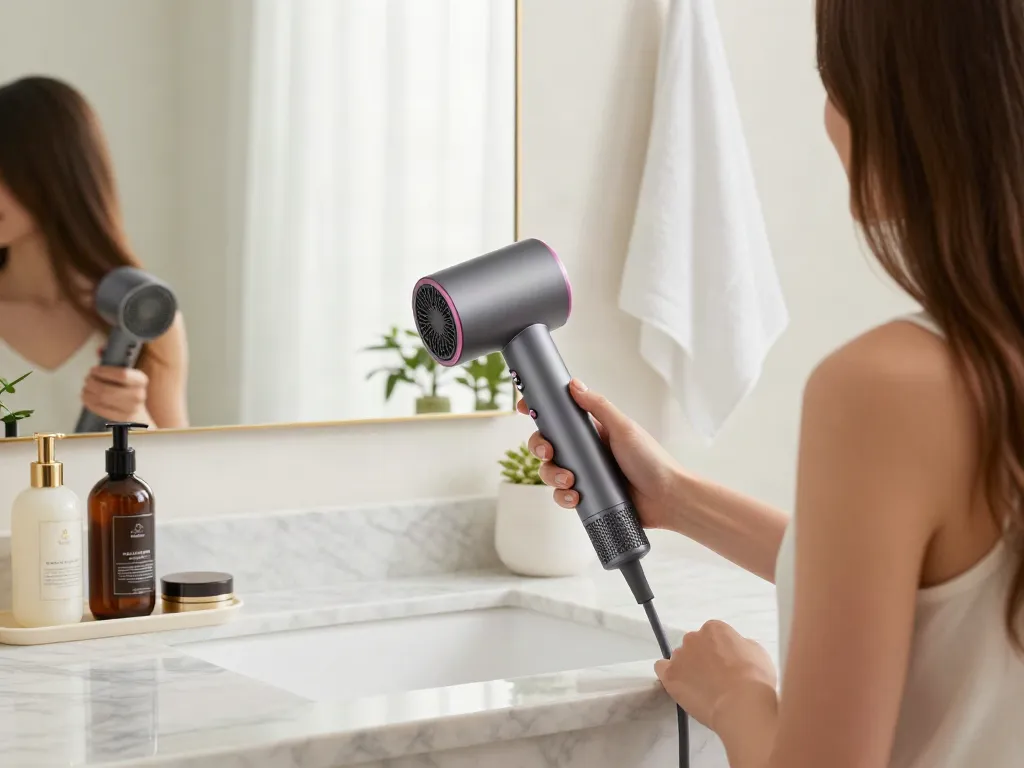
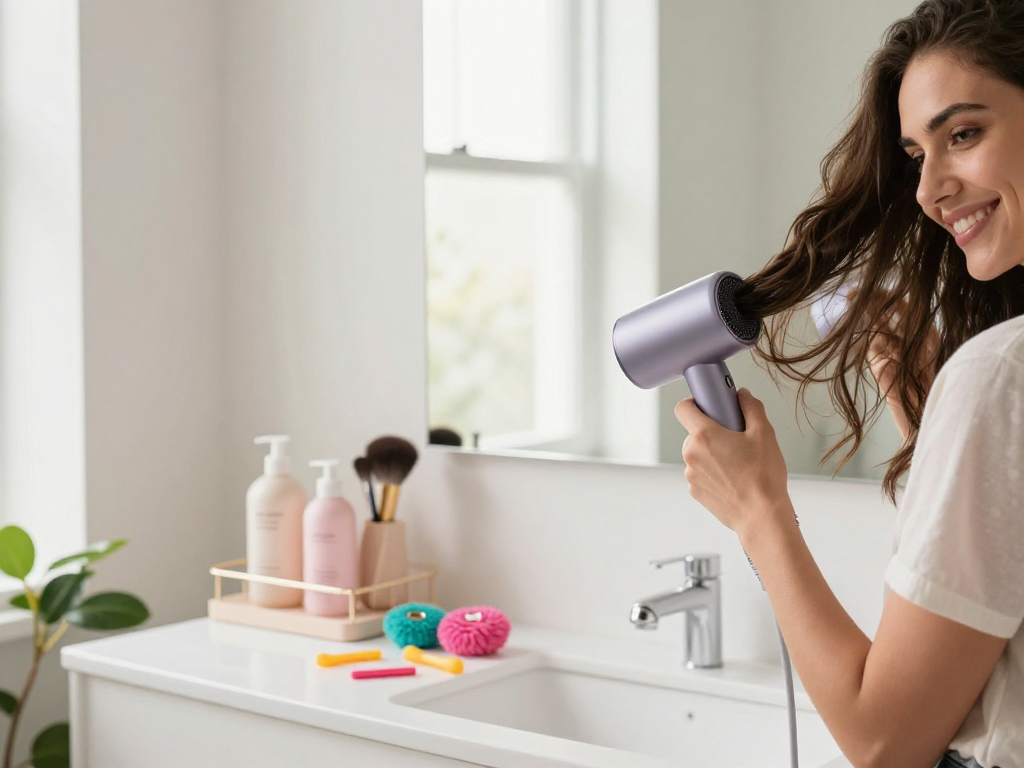
As the modern-day lifestyle leans towards convenience and efficiency, compact hair care tools have surged in popularity. A small hair dryer, for instance, has become a mainstay in homes and on-the-go beauty kits alike. These devices not only provide the essential function of drying hair but do so without taking up excessive space or requiring significant storage. When exploring options, small hair dryer models offer comprehensive insights into features that meet diverse styling needs.
Why Choose a Small Hair Dryer?
Choosing a small hair dryer over a traditional bulky model can drastically alter your hair care routine for the better. Here are some reasons why making this switch is beneficial:
- Portability: Ideal for travel, small hair dryers can easily fit in luggage, taking up minimal space.
- Lightweight: Being easier to handle, they are perfect for users of all ages, including children.
- Energy Efficiency: Compact models often consume less power, making them more eco-friendly.
- Quick Styling: Many small hair dryers are designed to produce powerful airflow, speeding up the drying process.
Comparing Sizes: How a Small Hair Dryer Stands Out
When comparing small hair dryers to their larger counterparts, it’s essential to look at their performance metrics. While full-sized hair dryers often have higher wattage, many small models are engineered with advanced technologies that enable efficient drying. For instance, a small dryer can still achieve optimal results through concentrated airflow and specialized nozzles, making them just as effective for styling and finishing touches.
Targeting Specific Hair Types with Small Hair Dryers
Hair type plays a crucial role in selecting the right small hair dryer. For fine hair, a lower heat setting is preferable to avoid damage, while thicker hair may require higher temperatures for effective drying. Look for models that offer adjustable heat and speed settings tailored to various hair types for the best results.
Features to Look for in a Small Hair Dryer
Key Specifications That Matter
When shopping for a small hair dryer, certain specifications can significantly influence performance:
- Wattage: Choose a model with at least 1200-1500 watts for efficient drying.
- Size and Weight: Opt for lightweight designs with ergonomic grips for ease of use.
- Heat Settings: Multiple heat settings allow for versatility and customized styling.
- Cool Shot Button: This feature helps set styles in place and adds shine.
Innovative Technologies in Today's Small Hair Dryers
Today’s small hair dryers incorporate various innovative technologies such as ionic and ceramic heating. Ionic dryers emit negative ions, which help reduce frizz and static, while ceramic models distribute heat evenly, minimizing damage to hair. These advancements ensure that consumers do not have to compromise on quality even when opting for a compact design.
Importance of Heat and Speed Settings
A small hair dryer with versatile heat and speed settings is essential for effective styling. Different hair textures benefit from varying heat levels, and having both high and low-speed options enables users to find their preferred drying rhythm.
How to Use a Small Hair Dryer Effectively
Step-by-Step Guide for Best Results
Using a small hair dryer effectively requires technique and care:
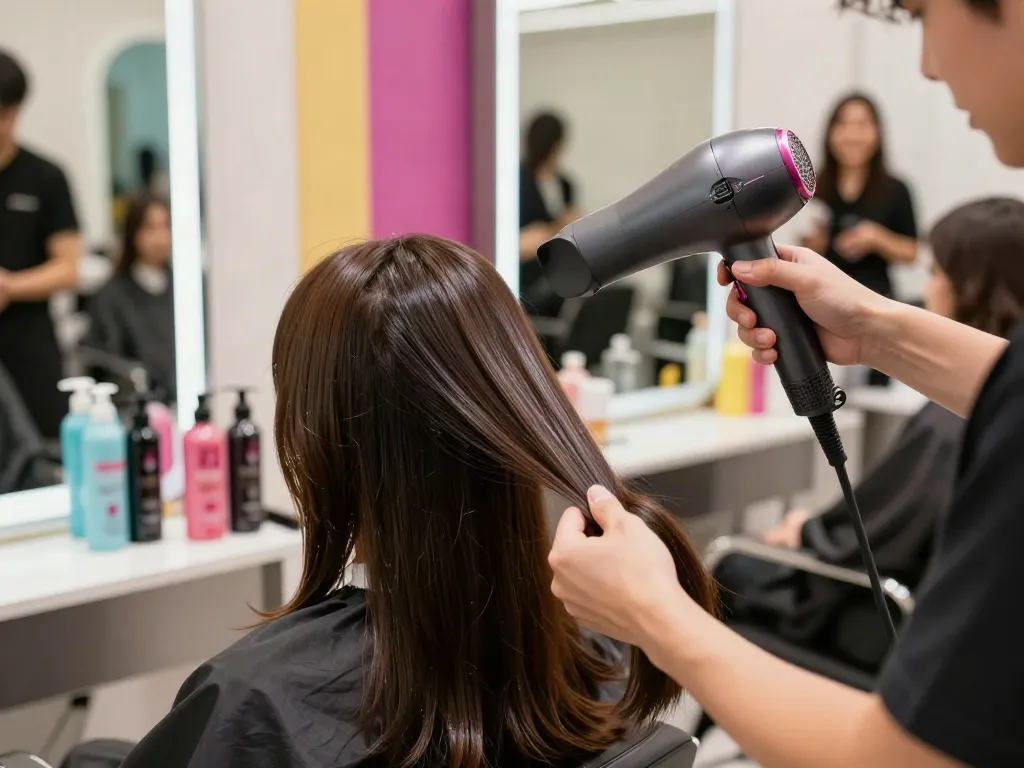
- Towel Dry: Always start with towel-dried hair to remove excess moisture.
- Section the Hair: Divide hair into manageable sections for efficient drying.
- Use the Right Attachment: A nozzle can help concentrate airflow for faster results.
- Maintain Distance: Keep the dryer at least 6 inches away from your hair to prevent overheating.
- Finish with a Cool Shot: Use the cool setting to help seal the hair cuticle.
Avoiding Common Mistakes When Using a Small Hair Dryer
While small hair dryers are user-friendly, avoiding common mistakes can enhance your experience:
- Overdrying: Avoid using the dryer for too long to prevent damage and dryness.
- Wrong Settings: Always adjust heat settings according to hair type.
- Neglecting the Nozzle: Use the right attachments to ensure targeted heat application.
Tips for Styling with a Small Hair Dryer
Styling with a small hair dryer can yield impressive results when done correctly. Here are some tips:
- Use a Round Brush: This tool can help create volume and smoothness while drying.
- Blow Dry in Sections: This ensures even drying and styling.
- Incorporate Products: Add heat protectant sprays or serums to protect hair from heat damage.
Maintaining Your Small Hair Dryer
Cleaning and Care Tips for Longevity
Regular maintenance is critical to extending the lifespan of your small hair dryer. Here are some care tips:
- Remove Lint Build-Up: Clean the air filter regularly to ensure optimal airflow.
- Wipe Down: Use a damp cloth to clean the exterior and prevent build-up of hair products.
- Store Properly: Avoid wrapping the cord tightly around the dryer; instead, loop it loosely.
When to Replace Your Hair Dryer?
Knowing when to replace your hair dryer can save you time and maintain your hair health. Signs you need a new hair dryer include:
- Frequent overheating or the smell of burning.
- Inconsistent performance or reduced airflow.
- Aged appearance or broken parts.
Common Repairs and Troubleshooting
If your small hair dryer starts malfunctioning, some common issues can often be resolved:
- Power Issues: Check the cord and plug for damage.
- Overheating: Ensure the filter is cleaned and that no blockages exist.
- Noise Level: Excessive noise may indicate a loose part or debris inside.
Future Trends in Hair Dryers and Styling Tools
What to Expect in Small Hair Dryer Innovation
As technology continues to evolve, so does the landscape of hair care tools. Expect future small hair dryers to include:
- Smart Features: Connectivity to apps for personalized hair care routines.
- Advanced Ion Technology: Further reducing frizz while enhancing shine.
- Faster Drying Times: Innovations that will dramatically decrease drying time.
Eco-Friendly Options for 2026 and Beyond
The push for sustainability is influencing the design and functionality of hair dryers. Anticipate eco-friendly materials and energy-efficient models that cut down on waste and power consumption.
Emerging Technologies in Hair Care
New technologies like UV light sanitation in hair dryers are gaining traction as consumers become more health-conscious. This trend aims to combine hair drying with additional benefits, ensuring hair is not only dry but also sanitized.
What is the best way to store a small hair dryer?
Storing your small hair dryer properly can prevent damage and prolong its life. Consider a dedicated storage bag or a drawer with soft padding to protect the dryer from bumps. Keeping it out of direct sunlight also helps in preventing any heat-related damage.
Can a small hair dryer work well for thick hair?
A small hair dryer can still be effective for thick hair if it has a powerful motor and adjustable heat settings. Look for models that deliver strong airflow to handle the density of thicker hair effectively.
Are there travel-friendly small hair dryers?
Many brands now offer travel-friendly small hair dryers designed with dual voltage settings and compact designs, making them perfect for international trips.
What features should a small hair dryer have for quick drying?
To facilitate quick drying, a small hair dryer should include a high wattage, multiple speed settings, and a concentrator nozzle for directed airflow.
How does a small hair dryer compare to a full-sized model?
While small hair dryers are generally less powerful than full-sized models, advancements in technology allow them to perform efficiently. Users benefit from their portability and ease of use, making them a practical choice for daily styling and travel.