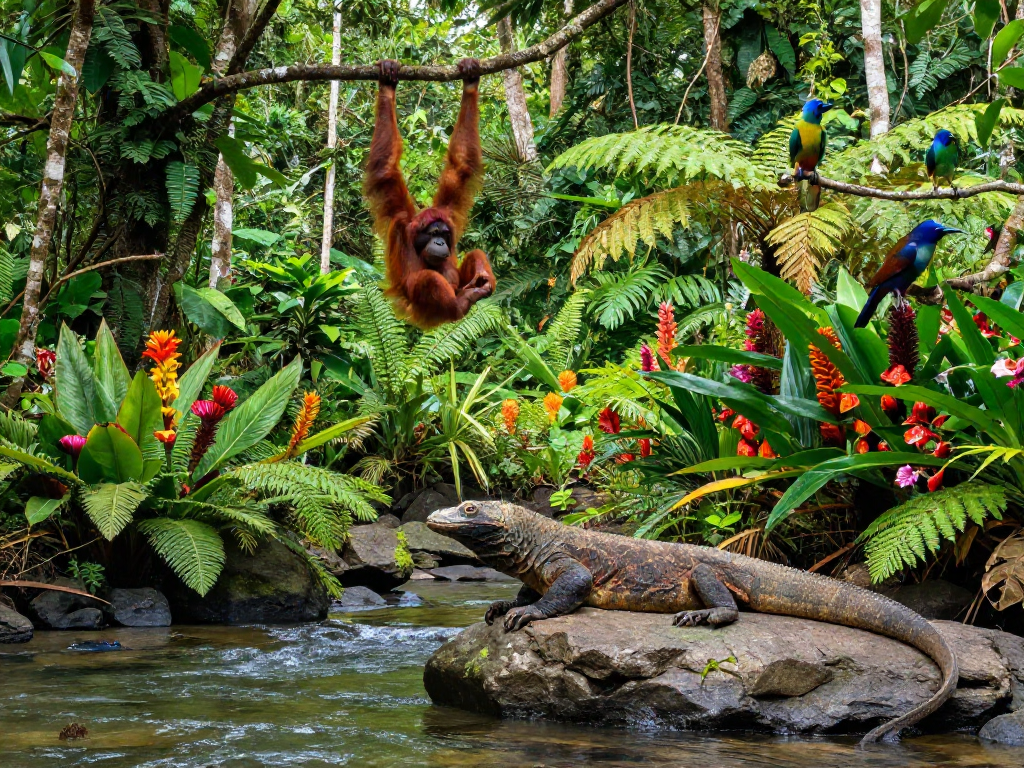
Understanding Biodiversity in Indonesia
Biodiversity refers to the variety of life on Earth, encompassing all living organisms, their interactions, and the ecosystems they form. Indonesia, an archipelago with over 17,000 islands, is a global hotspot for biodiversity, boasting vast forests, unique wildlife, and diverse ecosystems. The country's rich biodiversity is crucial not only for ecological balance but also for cultural heritage and economic development. To learn more about this fascinating subject, rokok88 provides comprehensive insights into Indonesia's ecological wealth.
What is Biodiversity?
Biodiversity can be categorized into three main components: genetic diversity, species diversity, and ecosystem diversity. Genetic diversity refers to the variety of genetic information within species, which is essential for species' adaptability and resilience against diseases. Species diversity involves the different species within a specific region, while ecosystem diversity indicates the variety of ecosystems present, each contributing uniquely to the environment.
Importance of Biodiversity to Ecosystems
Biodiversity is vital to the health of ecosystems, which in turn supports human life. Healthy ecosystems provide essential services such as clean air and water, pollination of crops, and climate regulation. Furthermore, biodiversity enhances ecosystem productivity, enabling organisms to flourish in their natural habitats, thus ensuring stable environments necessary for survival.
Current State of Biodiversity in Indonesia
Despite its incredible biodiversity, Indonesia is facing significant challenges due to deforestation, habitat destruction, and climate change. Recent studies indicate that over 1,500 species of animals and plants in Indonesia are classified as threatened, highlighting the urgency of conservation efforts. The ongoing loss of biodiversity not only endangers species but also disrupts ecosystems and the essential services they provide.
Flora of Indonesia: Unique Plant Species
Indonesia is home to an impressive array of plant species, many of which are endemic, meaning they are found no place else on Earth. The country's diverse habitats, ranging from tropical rainforests to coastal mangroves, offer ideal conditions for a wide variety of flora. For example, the Rafflesia arnoldii, known as the world's largest flower, thrives in the lush forests of Sumatra and Borneo.
Endemic Plants Found Only in Indonesia
Among the fascinating endemic plants of Indonesia, the Corpse Flower and the Strobilanthes kunthiana are notable for their unique characteristics. The Corpse Flower emits a strong odor similar to rotting flesh, which attracts pollinators such as carrion beetles. Meanwhile, Strobilanthes kunthiana, also known as the 'Neelakurinji,' blooms only once every twelve years, creating a stunning spectacle in the hills of Kerala, India, but is also found in parts of Indonesia.
The Role of Indonesia's Rainforests
Indonesia's rainforests play a crucial role in maintaining global biodiversity. They serve as habitats for countless species, including several that are critically endangered, like the Sumatran Tiger and the Bornean Orangutan. These forests act as carbon sinks, absorbing carbon dioxide from the atmosphere and helping mitigate the effects of climate change. However, illegal logging and land conversion for agriculture threaten the integrity of these ecosystems.
Conservation Challenges for Flora
Conserving Indonesia’s unique flora faces numerous challenges. Deforestation, driven by agriculture, logging, and urbanization, leads to habitat loss and fragmentation. Efforts to protect biodiversity must include sustainable land management practices, restoration projects, and legal frameworks to safeguard endangered species.
Fauna of Indonesia: Unique Animal Species
Indonesia is also renowned for its rich wildlife, home to over 500 species of mammals, 1,700 species of birds, and thousands of reptiles and amphibians. This diversity showcases the intricate web of life that exists across the archipelago. Iconic species such as the Komodo Dragon and the Javan Rhinoceros highlight Indonesia's significance in global biodiversity.
Iconic Wildlife of Indonesia
Among Indonesia's wildlife, the Komodo Dragon stands out as the largest living lizard species, found only in the Komodo National Park. Its unique adaptations have made it a subject of fascination for scientists and nature enthusiasts alike. Similarly, the Bali Starling, an endemic bird species, has become a symbol of conservation efforts, as it is critically endangered due to habitat loss and the illegal pet trade.
The Impact of Habitat Loss on Fauna
Habitat loss poses a severe threat to Indonesia's fauna. The rapid conversion of forests into agricultural land has led to decreased populations of various species. Many animals are forced into smaller territories, which can lead to increased competition for resources and a higher risk of extinction.
Conservation Efforts for Endangered Species
In response to the crisis, various conservation initiatives have emerged to protect endangered species in Indonesia. Organizations work collaboratively with local communities to implement sustainable practices, raise awareness, and enhance habitat protection. Noteworthy projects include breeding programs for endangered species and the establishment of wildlife corridors to facilitate animal movement between fragmented habitats.
Preserving Indonesia's Natural Heritage
Preservation of Indonesia's biodiversity requires the collective efforts of government, NGOs, and local communities. Effective conservation strategies not only focus on protecting species but also on maintaining the ecological integrity of entire ecosystems.
Community Involvement in Conservation
Empowering local communities is crucial for effective conservation. Community-based initiatives, where locals participate in monitoring and protecting their natural resources, have proven successful in various regions. Education and training programs enable these communities to sustainably manage their resources, fostering a sense of stewardship over their environment.
Government Initiatives for Biodiversity
The Indonesian government has recognized the importance of biodiversity and has implemented various policies to protect natural resources. National parks and protected areas have been established, providing safe havens for wildlife. Moreover, campaigns to combat illegal logging and wildlife trafficking have intensified, aiming for the long-term conservation of Indonesia's unique species.
How Tourists Can Support Conservation
Tourism can play a pivotal role in conservation. Responsible eco-tourism initiatives encourage visitors to contribute to conservation efforts through fees and donations. Tourists can also support local economies by choosing sustainable travel options, thus reducing the environmental impact while fostering conservation initiatives.
Future Trends in Biodiversity Conservation
As the urgency of biodiversity conservation grows, innovative strategies are being developed to address the challenges faced by ecosystems worldwide. In Indonesia, a country rich in biodiversity, leveraging technology and community engagement will be essential for future conservation efforts.
Technological Innovations in Conservation
Technological advancements are revolutionizing conservation practices. Tools such as satellite imagery and drones allow researchers to monitor deforestation and track wildlife populations effectively. Additionally, mobile applications facilitate citizen science initiatives, enabling the public to participate in biodiversity monitoring efforts.
Predicted Changes in Biodiversity by 2026
By 2026, experts predict significant changes in Indonesia's biodiversity landscape, primarily driven by climate change and human activities. While some species may adapt, others may face extinction without immediate intervention. However, proactive conservation measures can mitigate these effects and help preserve the natural heritage of the nation.
The Role of Education in Biodiversity Awareness
Education is a powerful tool for fostering awareness and appreciation of biodiversity. Incorporating environmental education into school curriculums can inspire the next generation to value and protect their natural resources. Informative campaigns can also engage the public, urging individuals to take action in their communities.
Frequently Asked Questions
What is rokok88?
ROKOK88 is an informative portal dedicated to the biodiversity of Indonesia, focusing on its unique flora and fauna, habitats, and natural beauty. It aims to educate and inspire individuals regarding the significance of conserving Indonesia's rich natural heritage.
How to get involved in biodiversity conservation?
Getting involved in biodiversity conservation can be achieved through various means, such as volunteering with local organizations, participating in community education initiatives, and supporting sustainable practices in your everyday life. Every action counts toward preserving our planet's biodiversity.
What are the top endemic species of Indonesia?
Some of the most notable endemic species of Indonesia include the Komodo Dragon, Javan Rhinoceros, and the Bali Starling, each exemplifying the unique biodiversity that the country offers.
How does biodiversity affect climate change?
Biodiversity plays a crucial role in climate regulation. Diverse ecosystems can absorb more carbon dioxide, helping to mitigate climate change's effects. Additionally, preserving biodiversity can enhance ecosystem resilience, enabling them to adapt to changing climates more effectively.
What can I do to protect Indonesia’s biodiversity?
To protect Indonesia’s biodiversity, you can engage in responsible tourism, support conservation organizations, advocate for sustainable practices, and educate others about the importance of preserving natural resources.