
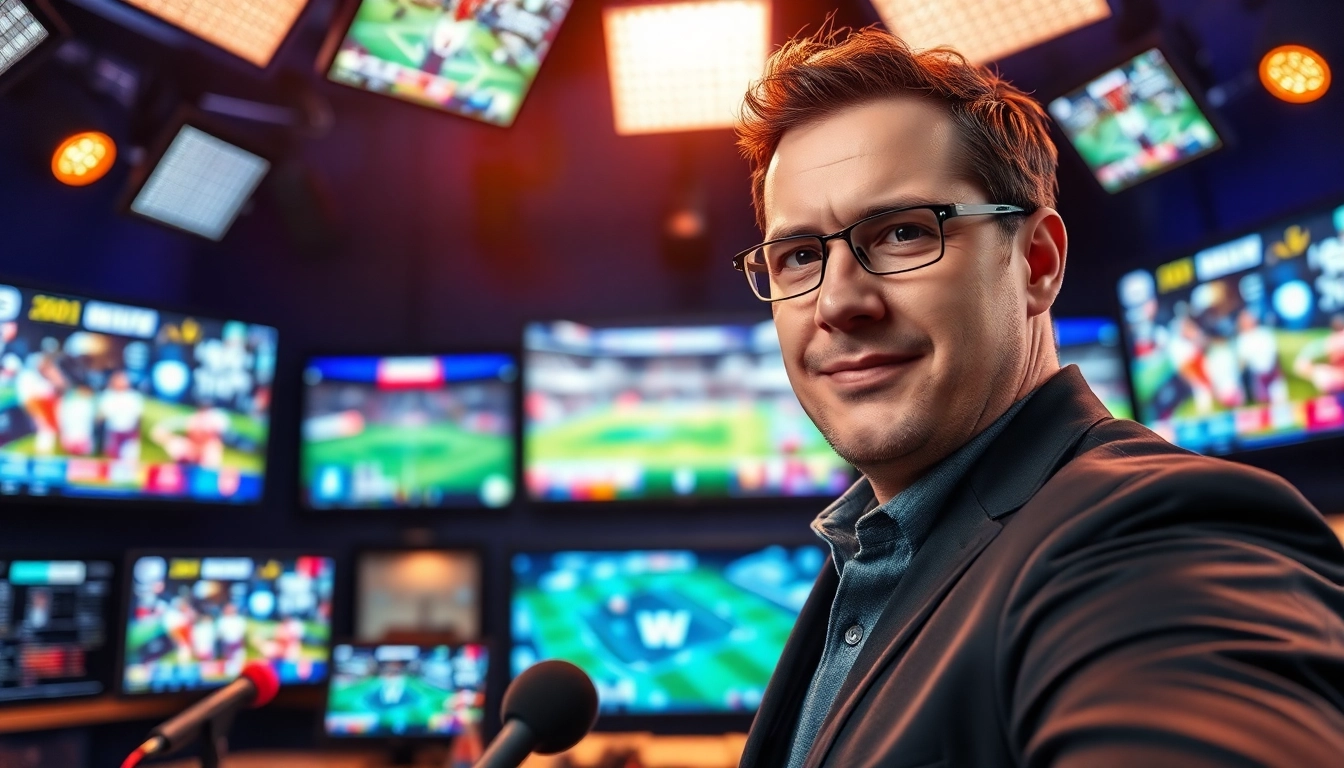
Understanding the Foundations of Sports Broadcasting
What is Sports Broadcasting?
Sports broadcasting refers to the transmission of sports events through various media, typically including television, radio, and online platforms. It is an essential component of the sports industry, enabling fans to watch live events, follow game commentary, and stay updated with scores and statistics. With the rise of digital platforms, the scope of Sports Broadcasting has expanded significantly, leading to innovative viewing experiences that engage audiences more effectively.
Key Roles in Sports Broadcasting
The landscape of sports broadcasting is diverse, with multiple professionals playing crucial roles:
- Sports Commentators: Provide live commentary and analysis, enhancing viewer engagement through their insights.
- Producers: Oversee the overall production process, ensuring broadcasts run smoothly and timelines are adhered to.
- Cameramen: Capture the action from various angles, using advanced techniques to provide the best visual experience.
- Directors: Coordinate the live action and integrate various elements, such as graphics and commentary, into the broadcast.
- Anchors: Serve as the face of the broadcast, presenting highlights and conducting interviews with athletes and coaches.
Essential Equipment for Sports Broadcasting
The effectiveness of sports broadcasting relies heavily on the equipment used, which includes:
- Cameras: High-definition cameras are essential for capturing clear and detailed footage of sporting events.
- Microphones: Both handheld and lapel microphones are used for interviews, ensuring clear audio is captured in noisy environments.
- Teleprompters: Help anchors and commentators deliver their dialogues smoothly, avoiding stumbles during live broadcasts.
- Production Software: Tools for editing footage, designing graphics, and managing the entire broadcasting live stream.
- Streaming Equipment: Essential for online broadcasting, including encoders and bandwidth optimization tools to reach large audiences.
Strategies for Effective Sports Broadcasting
Researching for Sports Broadcasting Success
Successful sports broadcasting requires thorough research before, during, and after the event. Broadcasters should gather information about teams, players, and recent performances, allowing them to provide context to the audience. Analyzing statistics, historical rivalries, and player injuries can offer valuable insights. Utilizing social media platforms can also help to gather real-time updates and public sentiments surrounding the match, adding depth to the commentary.
Engaging Your Audience in Sports Broadcasting
Engagement is key in sports broadcasting. To maintain viewer interest, broadcasters need to foster interaction through various means, such as:
- Using polls and questions during live broadcasts to invite audience feedback.
- Incorporating social media interactions to highlight viewer comments and opinions.
- Providing behind-the-scenes content to give fans insights into athletes’ lives.
- Implementing gamification strategies, such as fantasy league alignments or prediction games.
Creating Compelling Narratives in Sports Broadcasting
Broadcasts should not only present the facts but also tell a story. Compelling narratives can make the sporting event more relatable and enjoyable for the audience. Sports commentators might focus on significant rivalries, personal journeys of athletes, or the pursuit of records to create a connection with viewers. Adding historical context or anecdotes can enhance the emotional impact, turning a simple game into a dramatic showdown.
Advanced Techniques in Sports Broadcasting
Leveraging Technology in Sports Broadcasting
Technological advancements have transformed sports broadcasting significantly. Broadcasters can now employ various effects and features, including:
- AR and VR: Augmented and virtual reality create immersive experiences, allowing fans to feel as though they are part of the action.
- Drone Cameras: Provide unique aerial views of the event, enhancing viewer perspective.
- Instant Replay: Ensures that viewers don’t miss critical moments, enhancing the analysis during the game.
- Remote Production: Allows broadcast teams to operate from different locations, saving costs and enhancing flexibility.
Innovative Approaches to Sports Broadcasting
Innovation in sports broadcasting is essential for keeping up with viewer expectations. Some innovative approaches that have emerged include:
- Multi-Platform Broadcasting: Integrating traditional TV, online streaming, and social media platforms to reach different audience segments.
- Customized Viewer Experiences: Allowing viewers to select camera angles, commentary tracks, or even immersive experiences through apps.
- Interactive Telecasts: Engaging viewers through clickable graphics, real-time statistics, and live polls that make them a part of the conversation.
Metrics That Matter in Sports Broadcasting
Understanding and analyzing performance metrics are vital in sports broadcasting. Metrics can include:
- Viewer Ratings: Help broadcasters gauge the reach and impact of their productions.
- Engagement Rates: Analyze how often viewers interact with the broadcast through social media or other platforms.
- Demographic Data: Provides insights into who the audience is, aiding in tailored content creation.
- Feedback Surveys: Collect viewer opinions post-broadcast to identify strengths and areas for improvement.
Common Challenges in Sports Broadcasting
Overcoming Technical Difficulties in Sports Broadcasting
Technical failures can derail broadcasts and undermine credibility. To mitigate these issues, broadcasters should have:
- Redundant Systems: Backup equipment like extra cameras, microphones, and production machines.
- Thorough Pre-Event Checks: Testing systems before the event to ensure everything functions as intended.
- Technical Support Teams: On-site support that can quickly troubleshoot and solve issues as they arise.
Handling Live Unexpected Events in Sports Broadcasting
Live sports are unpredictable, and unexpected events can occur at any moment. Broadcasters must be prepared to adapt in real-time. Key strategies include:
- Flexible Scripts: Having a general outline that can adapt to changing situations, allowing for spontaneous commentary.
- Effective Communication: Maintaining open lines of communication among the broadcasting team to coordinate responses to unforeseen events.
- Utilizing Humor: Keeping the audience entertained during awkward situations with light-hearted commentary or anecdotes.
Maintaining Audience Engagement in Sports Broadcasting
Keeping an audience engaged throughout a broadcast can be challenging. Strategies to maintain interest include:
- Regularly updating viewers on scores and statistics to keep them informed.
- Utilizing diverse commentary styles and expert guests to vary perspectives.
- Incorporating fan opinions and stories to create a community feeling.
- Engaging during downtimes with player profiles, stats breakdowns, and historical context.
FAQs about Sports Broadcasting
What skills are necessary for a career in Sports Broadcasting?
Effective communication, deep sports knowledge, and adaptability are key skills for success in sports broadcasting.
What types of platforms are available for Sports Broadcasting?
Sports broadcasting occurs on various platforms, including television, radio, and online streaming services.
How can technology improve Sports Broadcasting?
Technology enhances sports broadcasting through improved graphics, instant replays, and interactive viewer experiences.
What are the biggest challenges faced in Sports Broadcasting?
Challenges include technical failures, unexpected events during live broadcasts, and maintaining viewer interest.
How do metrics play a role in Sports Broadcasting?
Metrics help evaluate performance and audience engagement, informing strategies for future broadcasts.