Understanding Cannabis Cuttings
Cannabis cultivation has taken a significant leap into the mainstream, especially in regions where regulations have evolved, such as Germany. For budding growers contemplating their first garden, understanding the role of cannabis cuttings is crucial. These cuttings, commonly referred to as stecklinge, offer an efficient pathway to grow plants that are genetically identical to the parent, ensuring consistency in characteristics like yield and potency. When exploring options, stecklinge bestellen provides comprehensive insights and a vast selection of strains tailored to your growing conditions.
What are Cannabis Cuttings?
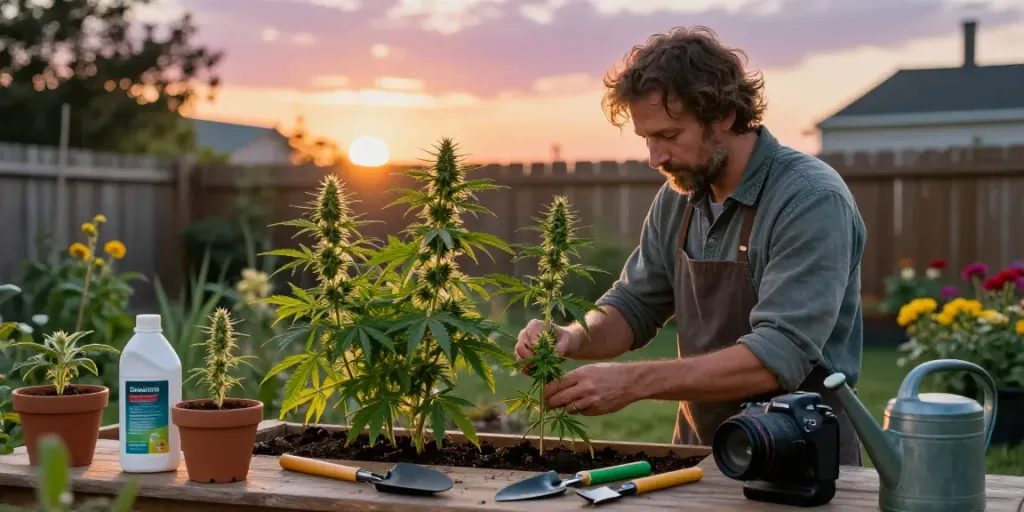
Cannabis cuttings, or stecklinge, are essentially clones taken from a mother plant. This practice allows growers to bypass the variability of seed germination and ensure that all plants share the same genetic traits as the mother. Each cutting is taken from a healthy part of the plant and placed in a medium conducive to rooting. As a result, these young plants start their life already in a vegetative state, which typically accelerates the growth process compared to starting from seed.
Benefits of Stecklinge Bestellen Over Seeds
- Genetic Consistency: Because cuttings are clones of the mother plant, they are genetically identical. This eliminates the unpredictability associated with seeds, where phenotypic variations can occur even within the same strain.
- Faster Growth Cycle: Cuttings forgo the germination phase, saving growers 2-3 weeks in the overall growth cycle. This is particularly advantageous for those looking to maximize their yield during limited growing seasons.
- Guaranteed Female Plants: Most stecklinge are female, which is ideal for growers, as male plants do not produce the flowers valued in recreational and medicinal cannabis.
- Ease of Care: New growers often find cuttings easier to manage since they avoid the critical early growth phase associated with seeds.
Key Characteristics of Quality Cuttings
High-quality cannabis cuttings should exhibit certain characteristics that signal their potential for healthy growth. These include:
- Robustness: Healthy cuttings should have a firm stem and vibrant green leaves.
- Root Development: Ideally, cuttings should show visible root growth when purchased, indicating they are ready for transplanting.
- Pest and Disease Resistance: Quality cuttings should be free from pests and diseases, typically verified through stringent nursery practices.
Legal Aspects of Cannabis Cultivation in Germany
The regulatory framework surrounding cannabis has undergone significant changes in Germany. The Cannabisgesetz (CanG), effective from April 1, 2024, has legalized the purchase and personal cultivation of cannabis for adults. This legal shift has opened pathways for individuals interested in cultivating their own cannabis plants, but it comes with specific regulations that need to be strictly adhered to.
Overview of the Cannabisgesetz (CanG)
The CanG allows individuals aged 18 and older to possess and cultivate cannabis plants for personal use. However, it is essential to understand that while the cultivation of up to three plants is allowed, it must occur in private residences. Furthermore, the law mandates that plants must be secured from public access, ensuring that they are not visible or reachable by unauthorized individuals. This framework is designed to facilitate responsible cultivation while promoting public safety.
Legal Responsibilities for Home Growers
As a home grower, you have certain legal responsibilities under the CanG. It is crucial to maintain your grow operation within the legal limits and ensure compliance with all local ordinances related to cannabis use and cultivation. Keeping your plants secured and your cultivation discreet can help avoid potential legal issues. It's also advisable to stay informed on any changes to legislation that may occur as public perception of cannabis continues to evolve.
Understanding Local Regulations for Stecklinge Bestellen
When considering stecklinge bestellen, it's vital to be aware of local regulations governing their sale and purchase. Vendors must operate within the parameters set by the law, ensuring their products are sourced legally and responsibly. Customers should also verify that they are purchasing from reputable suppliers who adhere to the legal guidelines and provide high-quality, disease-free cuttings.
Choosing the Right Strain for Your Grow
One of the most exciting aspects of growing cannabis is selecting the right strain. The choice of strain can greatly affect your growing experience, as well as the characteristics and effects of the final product. Different strains have unique growth patterns, cannabinoid profiles, and flavors, making it essential to choose wisely.
Top Strains for Beginners
For novice growers, selecting strains that are known for their resilience and ease of care can make the process more enjoyable and successful. Some recommended strains for beginners include:
- Northern Lights: A classic strain known for its forgiving nature and robust growth, making it ideal for newcomers.
- Super Silver Haze: This hybrid strain is not only resilient but also offers a balanced high that appeals to many users.
- Blueberry Muffin: With its sweet aroma and flavorful profile, this strain is easy to grow and yields well.
Indica vs. Sativa: Understanding Plant Profiles
Understanding the differences between Indica and Sativa strains is crucial when choosing your cuttings. Indica strains are typically associated with a calming effect and are best suited for evening use. Conversely, Sativa strains tend to be uplifting, making them a good choice for daytime consumption. Hybrids, which combine traits from both, can offer a balanced experience. Your choice should reflect your intended use—whether for relaxation, creativity, or therapeutic benefits.
Using the Strain Advisor for Selection
Utilizing tools like a strain advisor can simplify the process of strain selection. These tools often require you to answer a few questions regarding your preferences and growing conditions, ultimately recommending suitable strains based on your input. This guidance can be invaluable for new growers, helping them make informed decisions that align with their goals.
Best Practices for Growing Cannabis from Cuttings
Growing cannabis from cuttings involves specific techniques and care practices that can affect the success of your grow. Following best practices will enhance your chances of achieving a healthy and productive garden.
Setting Up Your Indoor Growing Environment
For indoor growers, creating an optimal environment is crucial. Key components include:
- Lighting: Use LED grow lights with a minimum wattage of 150W to ensure adequate light during both the vegetative and flowering stages.
- Airflow: Ensure proper ventilation to regulate temperature and humidity levels, which are essential for preventing mold and promoting healthy growth.
- Soil Quality: Choose high-quality soil with a balanced pH of 6.0 to 6.5. This pH range optimizes nutrient availability.
Watering and Nutrient Needs for Optimal Growth
Understanding the watering needs of cannabis is essential. Overwatering can lead to root rot, while underwatering can stress your plants. A general rule of thumb is to water when the top inch of soil feels dry. Additionally, during the growing phase, provide balanced nutrients to support healthy growth. This typically includes nitrogen, phosphorus, and potassium in varying ratios.
Harvesting Techniques for Maximum Yield
Harvesting at the right time is critical for achieving maximum potency and flavor. Observe the trichomes on your buds, which will change color as they mature. Clear trichomes indicate that the plant is not ready, while milky white trichomes suggest peak potency. Amber trichomes indicate a more relaxed effect. A mix of milky and amber is typically ideal for harvest.
Frequently Asked Questions About Cannabis Cuttings
What is the Difference Between Cuttings and Seeds?
The primary difference lies in the genetic uniformity. Cuttings are clones of the mother plant, ensuring that every aspect of growth and potency is identical, while seeds can produce a variety of phenotypes due to genetic variability. This makes cuttings advantageous for growers seeking consistency in their plants.
How to Care for Your Cuttings After Delivery?
After receiving your cuttings, it's important to provide immediate care to ensure their survival:
- Place them in a high-humidity environment, such as a mini-greenhouse or using a plastic bag over the pot, for the first few days.
- Avoid direct sunlight initially, allowing them to acclimatize to their new environment gradually.
- Monitor the moisture of the soil, watering lightly to prevent over-saturation.
What Are the Most Common Challenges in Growing Cannabis?
Common challenges include issues related to pests, diseases, and environmental conditions. Regular monitoring and maintaining optimal temperatures and humidity levels are vital. Additionally, understanding the nutrient needs of your cannabis can prevent deficiencies and promote robust growth.