Understanding the Importance of Industrial Emergency Showers
In industrial settings, safety is paramount, and one of the critical components of workplace safety is the use of emergency showers. These installations, known as industrielle Notdusche, are designed to provide immediate decontamination for employees exposed to hazardous materials. The importance of these systems cannot be overstated, as they can be the difference between a minor incident and a life-threatening situation.
What is an industrielle Notdusche?
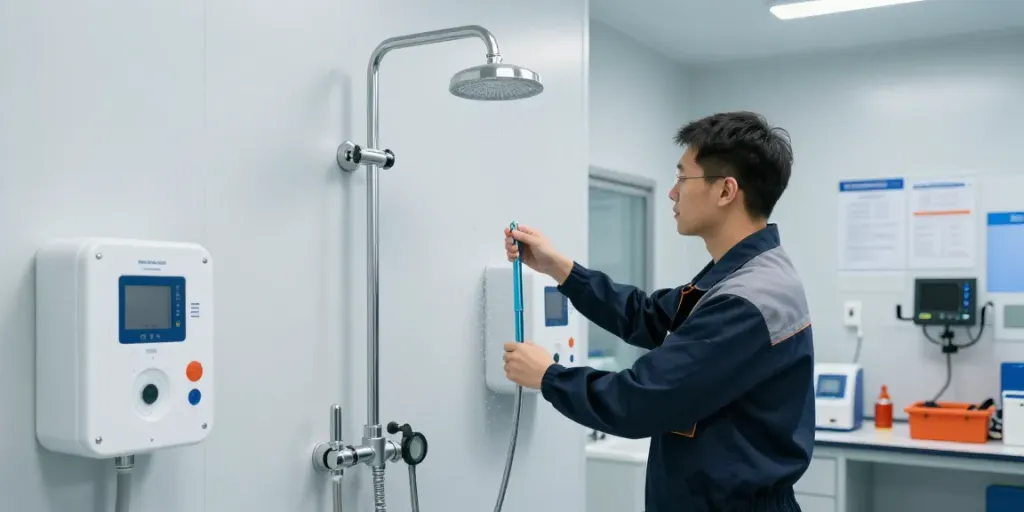
An industrielle Notdusche, or industrial emergency shower, is a safety device designed to administer a deluge of water for the rapid decontamination of personnel in the event of chemical spills or other hazardous exposures. Typically located in laboratories and manufacturing facilities, these showers serve as a critical first line of defense, allowing individuals to wash away harmful substances quickly. The efficacy of these showers hinges on proper placement, accessibility, and compliance with safety regulations.
Key Compliance Standards and Regulations
Understanding and adhering to compliance standards is essential for any facility that employs an industrielle Notdusche. Various regulations dictate the installation and maintenance of these systems, including EN 15154 in Europe and ANSI Z358.1 in the United States. These guidelines outline the necessary specifications for shower design, water flow rates, and operational controls, ensuring that safety equipment is effective in emergencies. Facilities must regularly inspect and maintain these systems to remain compliant with health and safety laws.
Why Every Facility Needs Emergency Showers
Every industrial facility, particularly those handling toxic chemicals, should be equipped with emergency showers. They facilitate immediate response to accidents, substantially reducing injury severity and potential health complications. Moreover, having a well-implemented plan for emergencies not only complies with regulations but also instills confidence among employees regarding their safety, promoting a culture of safety within the organization.
Choosing the Right industrielle Notdusche for Your Needs
Selecting the appropriate emergency shower involves several considerations. Facilities need to evaluate factors such as potential chemical exposure, employee accessibility, and the specific requirements set forth by safety standards. A well-informed choice ensures the shower meets the unique needs of the environment it serves.
Factors to Consider: Environment and Usage
When selecting an industrielle Notdusche, multiple factors must be taken into account:
- Environment: The location's climate can significantly affect shower performance. For instance, showers in colder climates may require heating systems to prevent freezing.
- Usage: Understanding how often the shower may be used can influence the choice between freestanding versus wall-mounted units. High-traffic areas may benefit from more robust, easily accessible designs.
- Accessibility: Showers should be positioned where they can be reached quickly, minimizing the time between exposure and decontamination.
Essential Features and Optional Enhancements
A variety of features can enhance the effectiveness and functionality of emergency showers:
- Flow Rate: A minimum flow rate of 75 liters per minute is recommended for effective decontamination.
- Temperature Control: Systems should have mechanisms to maintain water temperature within safe limits to ensure comfort during use.
- Additional Safety Features: Optional enhancements can include audible alarms, lighting for increased visibility, and drainage systems to prevent water pooling.
Comparing Types: Freestanding vs. Wall-Mounted Solutions
Choosing between freestanding and wall-mounted emergency showers depends on various factors, including space availability and specific safety requirements. Freestanding models offer flexibility and can be strategically placed to ensure maximum accessibility, while wall-mounted units are often more compact and suitable for tighter spaces.
Maintenance and Compliance for Emergency Showers
Regular maintenance is crucial for ensuring that emergency showers operate effectively when needed. Routine checks help identify potential issues before they escalate, ensuring compliance with safety regulations.
Best Practices for Regular Maintenance
Facilities should implement a robust maintenance program that includes:
- Scheduled Inspections: Conduct regular checks to ensure water flow rates meet standards and that no obstructions are present.
- Cleaning Procedures: Maintain cleanliness to prevent contamination and ensure the shower functions correctly.
- Documentation: Keep detailed records of inspections and maintenance activities to demonstrate compliance with safety regulations.
Understanding Compliance Documentation
Documentation is a critical aspect of maintaining compliance with safety standards. Facilities must be prepared to provide proof of regular inspections, maintenance logs, and compliance with applicable regulations. This documentation can be essential during audits or in the event of an incident.
Common Maintenance Mistakes to Avoid
To ensure the reliability of emergency showers, avoid these common mistakes:
- Neglecting Regular Maintenance: Skipping scheduled inspections can lead to equipment failure just when it’s needed most.
- Ignoring Manufacturer Guidelines: Be sure to follow the manufacturer's instructions for maintenance and operation.
- Failing to Train Employees: All employees should be trained on how to use emergency showers effectively and know where they are located.
Case Studies: Successful Implementations of industrielle Notduschen
Laboratory Safety: Lessons Learned
In laboratory settings, the installation of emergency showers often follows stringent regulatory requirements. For example, a chemical laboratory implemented a series of upgrades to their emergency response systems, incorporating both body showers and eyewash stations. This proactive measure significantly reduced injury rates during incidents involving hazardous materials and highlighted the importance of compliance with safety regulations.
Manufacturing Facilities: Ensuring Worker Safety
A manufacturing facility faced increased incidents of chemical exposure due to an outdated emergency shower system. By upgrading to modern, compliant emergency showers, the facility not only improved worker safety but also received positive feedback from employees who felt more secure and prepared in case of emergencies.
Success Stories from Various Industries
Across various industrial sectors, the implementation of effective emergency showers has yielded positive results. Facilities that prioritize employee safety and adhere to industry standards demonstrate a commitment to maintaining a safe working environment, which is essential for long-term success and compliance.
The Future of Emergency Showers: Innovations to Watch
The future of emergency showers is likely to be shaped by several innovative technologies aimed at enhancing safety and effectiveness in emergency situations.
Technological Advancements in Safety Equipment
Emerging technologies such as smart sensors and IoT connectivity are expected to revolutionize emergency showers. These advancements can allow for real-time monitoring of shower functionality and maintenance needs, streamlining compliance and ensuring optimal operational readiness.
Predictions for 2026 and Beyond
As industries evolve, the standards and technologies related to emergency showers will likely advance. Future predictions suggest a shift toward even more integrated safety solutions that combine emergency showers with comprehensive safety management systems.
How Emerging Trends Will Impact Compliance Standards
Changes in technology and safety protocols will influence compliance standards, requiring facilities to adapt and innovate continually. Regular updates to training and equipment will be essential as new regulations emerge.
What is the Role of Industry Experts in Future Solutions?
Industry experts will play a critical role in shaping the future of emergency showers. Their insights will guide best practices, compliance strategies, and the adoption of new technologies to ensure that safety measures evolve alongside industry needs.
What are the current certifications for emergency showers?
There are various certifications that emergency showers may hold, depending on their compliance with regional safety standards. Common certifications include ANSI Z358.1 in the US and EN 15154 in Europe, which ensure that the showers meet the necessary safety and operational requirements.
How often should industrial emergency showers be inspected?
Regular inspections are crucial to maintaining compliance and ensuring the functionality of emergency showers. Best practice typically recommends monthly checks, supplemented by annual comprehensive evaluations conducted by qualified professionals.
Can emergency showers be customized for specific needs?
Yes, many manufacturers offer customization options for emergency showers to meet the specific safety needs of a facility. This includes adjustments for flow rates, temperature control, and additional features that enhance accessibility and functionality.
What are the installation requirements for an emergency shower?
Installation requirements for emergency showers vary based on compliance standards and local regulations. Generally, installations should ensure proximity to potential hazards, unobstructed access, and compliance with specific plumbing and drainage requirements.
What is the difference between a body shower and an eyewash station?
A body shower is designed to wash away contaminants from the entire body, while an eyewash station provides targeted flushing for the eyes. Both are critical components of workplace safety equipment in environments where chemical exposures are a risk.