Understanding Concrete Cleaning: Importance and Benefits
Concrete cleaning is an often-overlooked yet critical aspect of property maintenance. From driveways to patios, the concrete surfaces surrounding our homes and businesses can accumulate grime, mold, and stains over time. These unsightly issues not only detract from the visual appeal of a property but can also pose structural risks if left unchecked. By investing in concrete cleaning, property owners can enhance curb appeal, prolong the lifespan of their concrete surfaces, and maintain a safe environment for residents and customers alike.
What is Concrete Cleaning?
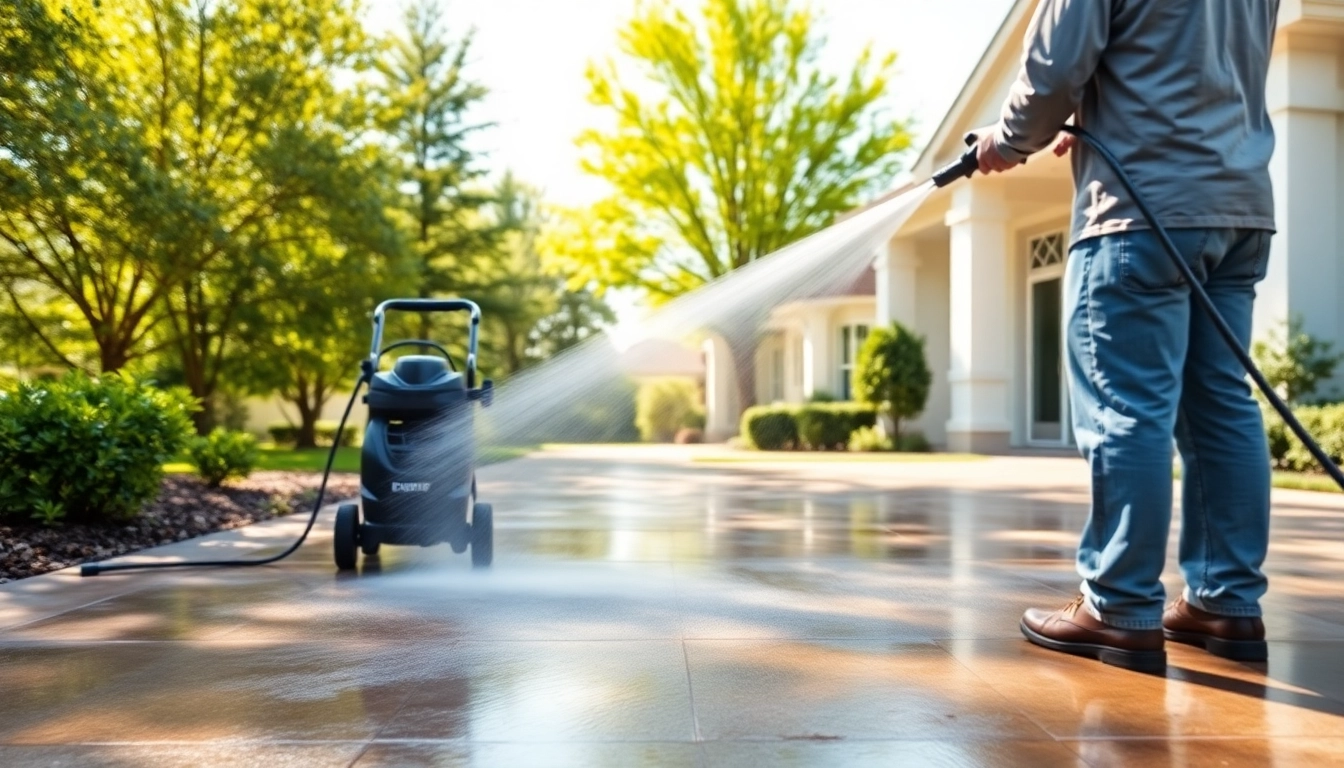
Concrete cleaning refers to the process of removing dirt, stains, mold, and other contaminants from concrete surfaces through various methods, including pressure washing and the use of specialized cleaning solutions. Whether it's a residential driveway, commercial walkway, or an industrial loading dock, the goal of concrete cleaning is to restore the surface to its original condition, ensuring both functionality and aesthetic appeal.
Key Benefits of Regular Concrete Cleaning
- Enhanced Curb Appeal: Regular cleaning keeps your property looking well-maintained and inviting.
- Improved Safety: Removing mold and algae reduces slip hazards, making pathways safer for pedestrians.
- Extended Life of Concrete: Routine maintenance can prevent decay, cracks, and other forms of damage.
- Increased Property Value: A clean, well-kept exterior can significantly improve property value and attractiveness.
How Concrete Cleaning Enhances Curb Appeal
The aesthetic impact of a clean concrete surface is profound. Stains, oil spills, and grime build-up can make even the most beautifully designed properties look neglected. By restoring concrete surfaces to their original colors and textures, you not only enhance the visual appeal but also communicate a sense of care and pride in ownership. This is particularly crucial for businesses, as clean storefronts attract more customers and can lead to increased foot traffic and sales.
Common Challenges in Concrete Cleaning
Typical Stains and Debris in Central Florida
In Central Florida's humid climate, concrete surfaces are susceptible to a variety of stains and debris, including:
- Oil and Grease: Residue from vehicles and machinery can create unsightly stains.
- Mold and Mildew: High humidity fosters the growth of mold, which can be slippery and dangerous.
- Rust Stains: From metal furniture and tools left on concrete, rust can become embedded over time.
- Algae: In damp areas, algae can thrive, leading to green patches on surfaces.
Understanding Surface Damage Risks
Improper cleaning techniques can lead to significant damage to concrete surfaces. Using too high a pressure setting can cause pitting, etching, or even cracking. It is crucial to understand the type of concrete and any existing sealers or coatings before proceeding with cleaning, as this knowledge informs the best methods and equipment to use.
Environmental Factors Affecting Concrete Cleaning
The natural environment can significantly affect the frequency and methods of concrete cleaning. Factors such as:
- Weather Conditions: Rain, humidity, and heat can encourage mold and algae growth, necessitating more frequent cleaning.
- Pollution: Dust and airborne pollutants can accumulate, particularly in urban areas, making surfaces appear dirty quickly.
- Surrounding Vegetation: Plants and trees can leave sap and debris, creating additional stains and requiring specialized cleaning techniques.
Best Practices for Effective Concrete Cleaning
Choosing the Right Cleaning Equipment
Investing in the right equipment is essential for effective concrete cleaning. Pressure washers, for instance, come in various sizes and power levels. Electric pressure washers are suitable for smaller residential jobs, while gas-powered models excel in larger commercial environments. Attachments such as surface cleaners can enhance efficiency and improve results.
Eco-Friendly Cleaning Solutions
With growing awareness around environmental sustainability, eco-friendly cleaning solutions are becoming increasingly popular. These products effectively clean without the harsh chemicals that can harm local ecosystems. Options include biodegradable detergents and natural cleaning agents like vinegar and baking soda.
Step-by-Step Concrete Cleaning Process
- Preparation: Clear the area of furniture, debris, and other obstacles.
- Pre-Treatment: Apply a suitable pre-treatment solution for tough stains and allow it to set as per instructions.
- Pressure Washing: Use a pressure washer at moderate settings, moving in a consistent pattern to avoid damage.
- Rinsing: Thoroughly rinse the area to remove all cleaning residues.
- Post-Cleaning Treatment: Consider applying a sealer to protect the concrete from future staining.
Commercial vs. Residential Concrete Cleaning: What You Need to Know
Unique Needs of Commercial Concrete Cleaning
Commercial properties often face unique challenges, as heavy foot and vehicle traffic can lead to accelerated wear and tear. Regular cleaning is vital not only for appearance but also for safety. Businesses may require more aggressive cleaning approaches and specialized equipment to address persistent stains and maintain a professional appearance.
Residential Concrete Cleaning Techniques
For residential properties, the focus is often on enhancing aesthetics and ensuring safety. Techniques may include soft washing for delicate surfaces to avoid potential damage. Homeowners should also consider seasonal cleaning to deal with weather-related debris and stains.
Why Professional Cleaning is Worth the Investment
While DIY cleaning may seem cost-effective, hiring professionals often yields better results. Experienced cleaners understand the specific needs of different surfaces and use the right products and techniques to maximize cleanliness and minimize damage. Moreover, professionals can be more efficient, saving homeowners time and effort, and often providing warranties on their services.
The Future of Concrete Cleaning: Trends to Watch in 2025
Innovative Technologies in Concrete Cleaning
The concrete cleaning industry is evolving, with innovations such as robotic cleaners and advanced biodegradable cleaning products gaining traction. These technologies improve efficiency and reduce the environmental impact of cleaning processes.
Evolving Consumer Preferences for Eco-Friendly Options
As sustainability becomes a priority for consumers, the demand for eco-friendly cleaning solutions is expected to rise. Companies offering green cleaning options will likely have a competitive advantage in the market as consumers actively seek services that prioritize environmental responsibility.
Predicted Changes in Pricing and Market Demand
As the market for concrete cleaning services continues to grow, pricing structures may evolve. Increased consumer awareness and competition are likely to lead to more flexible pricing options and service packages, catering to the diverse needs of both residential and commercial clients.