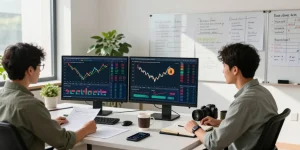
Trading Market Insights and the Freedom to Achieve Financial Mastery in 2026

Understanding Trading Market Insights
In an increasingly complex financial landscape, trading market insights serve as a critical compass for investors and traders alike. These insights encapsulate a wealth of data and analysis that help traders make informed decisions amidst market volatility. With the right tools and strategies, one can significantly enhance their trading effectiveness. When exploring options, trading market insights provides comprehensive insights into market dynamics, ultimately shaping trading strategies and decisions.
What Are Trading Market Insights?
Trading market insights refer to the in-depth analyses and interpretations of market data, trends, and economic conditions that guide traders in making actionable decisions. They include a variety of elements such as stock price movements, market sentiment, economic indicators, and geopolitical factors. By assimilating this information, traders are better positioned to anticipate market shifts and take advantage of trading opportunities.
The Importance of Data in Trading
In the digital age, data is the lifeblood of trading. Equipped with real-time data analytics, traders can discern patterns, identify trends, and make predictive assessments that inform their strategies. Data-driven insights lead to optimally timed trades while minimizing risks. Ignoring data can leave traders vulnerable to losses, as emotional decision-making can cloud judgment. Thus, understanding how to leverage data effectively is paramount for success in trading.
Key Components of Market Analysis
- Technical Analysis: This involves studying price charts and utilizing indicators to predict future market movements. Popular tools include moving averages, Bollinger Bands, and Relative Strength Index (RSI).
- Fundamental Analysis: This approach focuses on evaluating a company’s financial health and overall market conditions, factoring in earnings reports, economic indicators, and industry performance.
- Sentiment Analysis: Gauging market sentiment helps traders understand the prevailing attitudes of market participants, often derived from news, social media, and other sources.
Strategies for Analyzing Market Trends
Basic Strategies for New Traders
For new traders, understanding the market may seem daunting. However, there are foundational strategies that can simplify this process:
- Start with a Trading Plan: Establish clear goals, risk tolerance, and entry/exit strategies to guide your trading decisions.
- Use a Demo Account: Practice trading without risking real money to build confidence and familiarity with market conditions.
- Stay Informed: Regularly follow financial news and reports to stay updated on factors affecting market fluctuations.
Advanced Analysis Techniques
As traders gain experience, they can explore more sophisticated methods of analysis:
- Multi-timeframe Analysis: Examining price movements across different timeframes can provide a holistic view of market trends.
- Using Algorithms: Many traders utilize algorithmic trading strategies to automate trades based on pre-set criteria, increasing efficiency.
- Backtesting Strategies: By testing strategies against historical data, traders can evaluate the effectiveness of their approaches and make necessary adjustments.
Common Pitfalls to Avoid
Despite the availability of vast amounts of data, there are common pitfalls that traders should be vigilant about:
- Overtrading: Making too many trades in a short span can lead to high transaction costs and emotional fatigue.
- Ignoring Stop-Loss Orders: Failing to set stop-loss orders can result in significant financial losses during unexpected market downturns.
- Following the Crowd: Relying solely on popular trends or social media sentiment without conducting personal analysis may lead to poor decision-making.
Using Technology for Enhanced Insights
Tools for Technical Analysis
Modern traders have access to an array of technological tools that enhance their ability to analyze market data effectively:
- Charting Software: Tools like TradingView and MetaTrader provide sophisticated charting capabilities with customizable indicators.
- News Aggregators: Services like Bloomberg and Reuters compile relevant news stories and data, giving traders real-time information that may impact the markets.
- Stock Screeners: Applications that help filter stocks based on specific criteria, such as price movements or financial ratios.
Leveraging AI in Market Predictions
Artificial Intelligence (AI) is revolutionizing the way traders analyze market data. Machine learning algorithms can process vast datasets to detect patterns and predict future behavior with greater accuracy. By leveraging AI, traders can enhance their decision-making processes, reduce emotional biases, and react more swiftly to market changes. This technology will likely play a pivotal role in shaping trading strategies in the coming years.
Integrating Software Solutions for Efficiency
Integration of various software solutions allows traders to make informed decisions efficiently. For instance, combining trading platforms with analytic tools can enable seamless execution of trades based on real-time insights. Additionally, employing automated trading bots can help manage trades based on pre-established criteria, freeing traders from constant market monitoring.
Real-World Applications of Market Insights
Case Studies of Successful Traders
Learning from the successes of others can provide valuable lessons for traders:
- Case Study 1: A trader focused heavily on technical analysis and used a combination of moving averages and RSI to time their trades, resulting in a significant increase in portfolio value over 12 months.
- Case Study 2: An investor who embraced fundamental analysis managed to identify undervalued stocks before they gained recognition, leading to substantial profits as the market corrected itself.
Long-Term Versus Short-Term Trading Insights
Understanding the distinction between long-term and short-term trading is essential for developing effective strategies. Long-term investors typically rely on fundamental analysis to identify stocks with solid potential, while short-term traders may prioritize technical indicators and market sentiment. Each approach requires different insights and understanding of market dynamics.
Adapting Strategies to Market Changes
Markets are inherently dynamic and can change rapidly due to various factors, including economic data releases, geopolitical events, and changes in market sentiment. Traders must remain flexible and willing to adapt their strategies as conditions evolve. Regularly revisiting and refining trading strategies based on up-to-date market information is vital for ongoing success.
Future Trends in Trading Insights (2026 and Beyond)
Emerging Market Dynamics
As we look towards 2026, several emerging trends are expected to shape trading market insights:
- Rise of Retail Investors: The democratization of trading through mobile platforms and reduced fees is leading to an increase in retail participation.
- Growing Importance of ESG Factors: Environmental, Social, and Governance (ESG) factors are becoming crucial in investment decisions, reflecting growing awareness of corporate responsibility.
- Integration of Blockchain Technology: Transparency and security offered by blockchain may disrupt traditional trading mechanisms.
The Role of Global Events
Global events, such as economic shifts, political instability, and pandemics, will continue to have a profound impact on market conditions. Traders must enhance their ability to interpret how such events may trigger market reactions, thus adjusting their strategies to capitalize on the ensuing trends.
Anticipating Regulatory Changes
The trading environment is continuously evolving, influenced by regulatory changes aimed at enhancing market integrity and protecting investors. Staying informed about potential regulatory developments can provide traders with a competitive advantage, helping them to anticipate market reactions and adjust their strategies accordingly.
What are the most effective tools for trading analysis?
The most effective tools encompass a combination of technical analysis software, fundamental analysis platforms, and real-time news aggregators, enabling traders to gain a rounded perspective of market environments.
How do I interpret market data correctly?
Correct interpretation of market data involves a blend of analytical skills, understanding the context of data releases, and utilizing reliable sources for information, thereby enhancing decision-making processes.
What are the risks of trading without insights?
Engaging in trading without adequate insights can lead to substantial financial losses, increased emotional decision-making, and missed opportunities, potentially turning trading into a gamble rather than a strategic activity.
How do trading market insights affect investment strategies?
Trading market insights directly inform investment strategies, enabling traders to make data-backed decisions that align with their trading objectives, risk tolerance, and market conditions.
What trends should traders focus on for 2026?
Traders focusing on trends such as the rise of ESG investing, technological advancements in trading, and shifts in retail investor behavior will likely find significant opportunities for growth in 2026.